Workshop on Legal Mechanisms for Durable Private Land Conservation in Chile and Costa Rica
By Thomas Patti and Ruchi Patel
In early October, ILCN partnered with Fundación Tierra Austral (FTA), Chile’s leading land trust and the 2025 Conservation Innovation Awardee, and the University of Costa Rica Faculty of Law to co-convene a workshop to facilitate knowledge exchange on the role, design, and implementation of legal mechanisms for long-term conservation of private lands in Chile and Costa Rica.
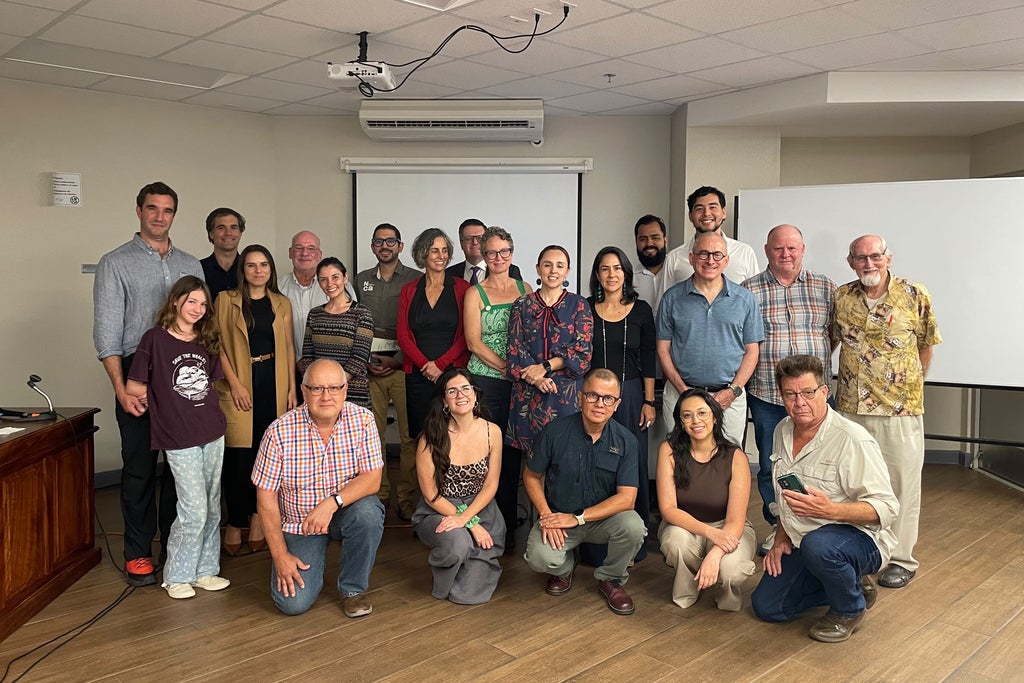
More than 25 conservation leaders, practitioners, and landowners from Chile and Costa Rica came together in San José to share experiences and lessons learned from the development and application of different legal tools for voluntary land conservation in each country. The one-day workshop left participants feeling energized by opportunities to strengthen their conservation strategies at home and expand cross-boundary dialogue.
The workshop was catalyzed by ILCN’s inaugural Conservation Innovation Award, awarded to FTA in 2025 in recognition of the organization’s landmark efforts to advance and implement the Derecho Real de Conservación (DRC), Chile’s pioneering legal tool for permanent, voluntary land conservation within a civil law framework. As part of the award, ILCN provided a stipend to support activities that would promote the dissemination and transfer of this innovation to a broader community of practice. The workshop emerged from discussions among FTA, ILCN, and the University of Costa Rica Faculty of Law, building on several years of informal dialogue between conservation practitioners in Chile and Costa Rica, who shared a strong interest in learning from one another’s experiences. Additional support for the workshop was provided through a grant from the Texas Parks & Wildlife Foundation.
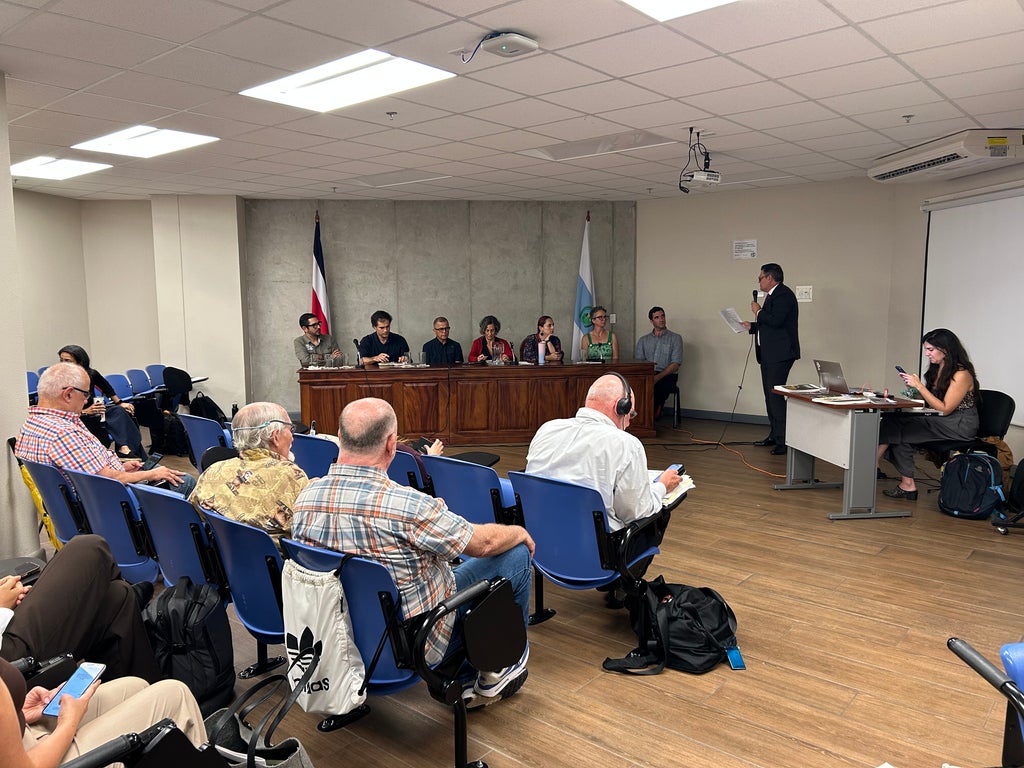
The gathering was moderated by University of Costa Rica Professor of Agrarian Law, Javier Fernández. Ruchi Patel, Senior Policy Analyst for land conservation at the Lincoln Institute of Land Policy, represented ILCN. Following their opening remarks, Victoria Alonso, Executive Director of FTA, recounted Chile’s experience with the DRC, showcasing examples of privately protected areas established under DRC agreements and reflecting on the instrument’s impacts and challenges. Carlos Chacón, formerly of The Nature Conservancy and a recognized leader in private land conservation in Costa Rica, and Sara Cascante of the Centro de Derecho Ambiental y de los Recursos Naturales (CEDARENA) then provided a historical overview of legal tools and mechanisms used for private land conservation in Costa Rica. Their presentations explored the early experimentation and ongoing application of the servidumbre ecológica (ecological servitude), including its similarities and differences to the DRC.
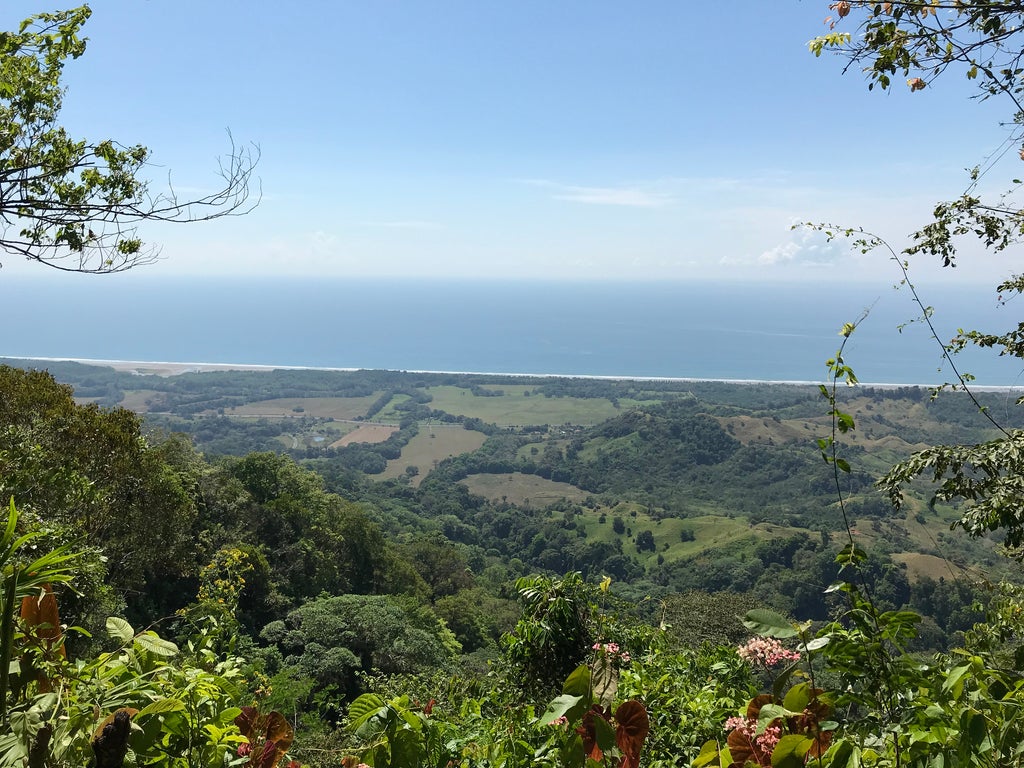
The third session of the day featured the perspectives of three landowners: Manuel Dörr, Director of Parque Cuenca Andina, a privately protected area in Chile conserved in perpetuity through the DRC, and two members of Colectivo Monteverde in Costa Rica, who have used ecological servitudes to legally protect their properties. The event concluded with a roundtable discussion on the strengths and limitations of each conservation tool, as well as opportunities for improvement and collaboration. This discussion also included Juan Butazzoni, a lawyer with expertise in implementing the DRC in Chile, and Marco Villegas from the Nosara Conservation Association in Costa Rica.
While the conversation centered on the legal frameworks that support voluntary land conservation, a second important theme emerged: the institutional frameworks needed for the effective and enduring implementation of legal tools on the ground. In the decades since ecological servitudes were pioneered in Costa Rica, the NGOs responsible for establishing and administering them have faced significant resource and capacity constraints, resulting in gaps in stewardship, enforcement, and tracking. Practitioners from Chile expressed similar concerns about the future of DRCs, particularly as their uptake continues to expand rapidly. Participants from both countries agreed that successful voluntary land conservation depends not only on durable legal mechanisms, but also on sustainable finance and organizational capacity—all of which can be strengthened through cross-boundary exchange of successes, failures, and best practices.
As the workshop concluded, participants were eager to harness the energy and excitement in the room to keep the conversation going. “Our discussion of the challenges and opportunities facing private land conservation resonated with the audience,” said Professor Javier Fernández from the University of Costa Rica Faculty of Law. “Costa Rican landowner participants reflected on the need to revisit mechanisms for private land conservation, whether by improving existing instruments or by exploring alternatives, such as those introduced by our Chilean colleagues at the workshop.”
FTA credited ILCN and the Conservation Innovation Award for providing the momentum and capacity required to make the workshop happen. “Tierra Austral has fielded numerous inquiries about the DRC from conservation practitioners around the world,” the organization wrote in its final workshop report. “But until it received the ILCN’s Conservation Innovation Award and its accompanying stipend, the organization did not have the time or resources to respond in a meaningful way to these requests for information and possible technical assistance.”