4th European Conservation Finance Bootcamp Bridges Conservation, Business, and Finance in Seville, Spain
By Tamara Bińczak (Eurosite) and Thomas Patti (Lincoln Institute)
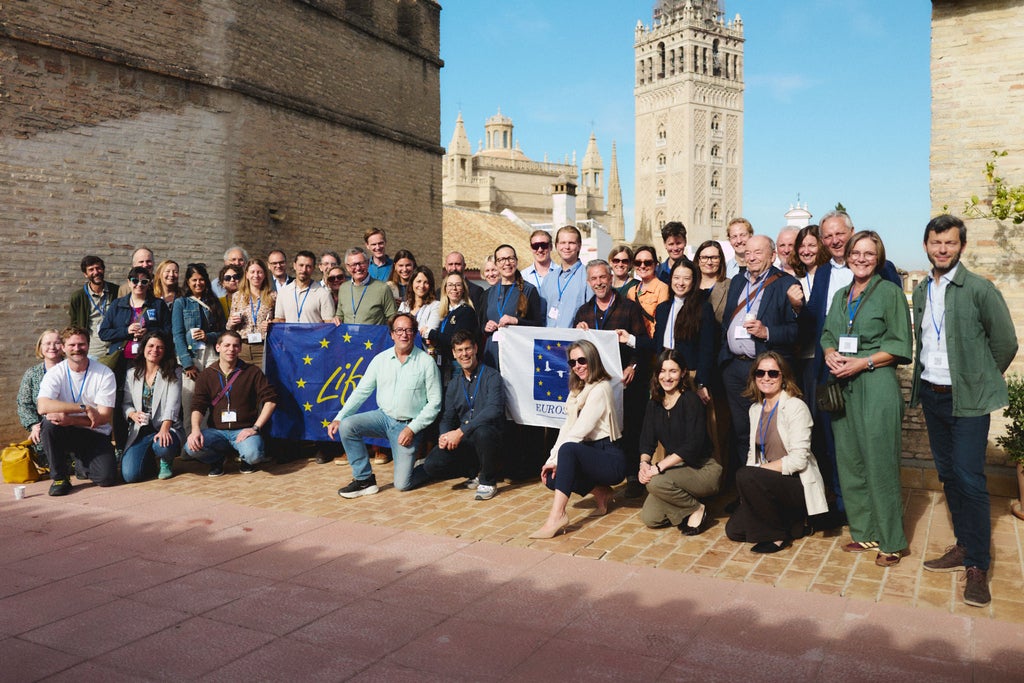
On November 5-6, the 4th European Conservation Finance Bootcamp took place in Seville, Spain. Organized by Eurosite – the European Land Conservation Network and hosted by Fundación Biodiversidad, the event brought together about 50 conservation practitioners, policymakers, investors, bankers, and businesses from across Europe and beyond to explore how to unleash more private finance for nature.
On the first day of the Bootcamp, participants examined the “supply side” of conservation finance—that is, how innovative tools and policies can bring new streams of funding to the conservation table. Special attention was paid to nature and biodiversity credits, a market-based approach enabling private entities to invest in land protection and restoration projects by purchasing verifiable units of ecological uplift.
The following takeaways emerged from day one:
- Nature and biodiversity credits are only one of many solutions for mobilizing private conservation finance.
- Risk mitigation and cost-avoidance models offer alternative pathways to private finance. Solutions already operating in other countries, including policy-agnostic options, could be adapted to the European context without requiring new regulatory frameworks.
- Policy innovation is as important as product innovation, with regulatory and compliance mechanisms driving private investment.
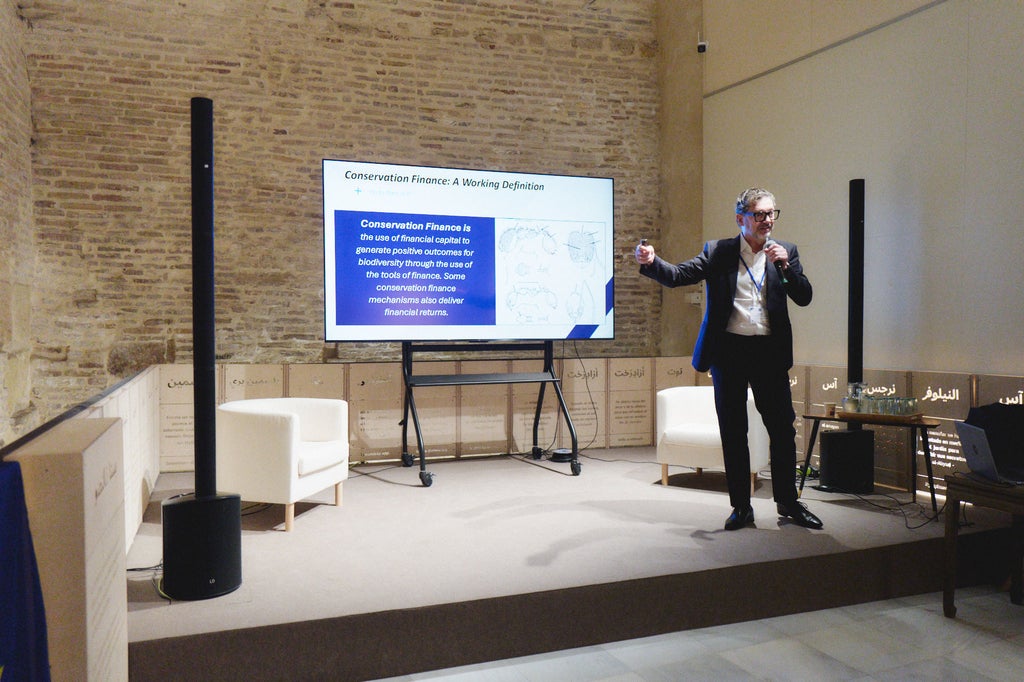
On the second day, the program shifted its focus to the “demand side” of the equation, exploring why and how corporates, investors, and financiers get involved in nature conservation. These discussions yielded the following takeaways:
- Corporate buyers and financial investors are two distinct groups with different motivations. While corporate buyers seek to address nature-related impacts and dependencies, business strategies, and sustainability claims, financial investors focus on risk-adjusted financial returns, predictable cash flows, and investment risk management, often alongside measurable nature outcomes.
- Environmental, Social, and Governance (ESG) regulation can drive demand, with frameworks such as the Corporate Sustainability Reporting Directive (CSRD) and European Banking Authority (EBA) guidelines strengthening corporate reporting and financial institutions’ risk-management requirements. Conservation finance practitioners need to understand these drivers and translate conservation outcomes into the language of business.
- Conservation projects can be bankable, attracting finance beyond traditional grants and philanthropy.

To conclude the Bootcamp, Harm Schoten, director of Eurosite, moderated a panel discussion titled “Between Supply and Demand: How to Close the Conservation Finance Gap?” Speakers emphasized that innovative conservation finance strategies will only yield on-the-ground impact if investors can understand, trust, and commit to these novel opportunities. “Closing the conservation finance gap is about more than mobilizing capital,” Eurosite wrote in its post-Bootcamp reflection. “It’s about matching what conservation projects can offer with what buyers and investors need—and narrowing the ‘language gap’ between business and conservation practitioners.”
“Successful project–funder matching means co-designing, developing, and communicating conservation projects with different types of investors and buyers in mind,” added Tamara Urszula Bińczak, Conservation Finance Officer at Eurosite. “That’s precisely what we’re working towards with the Conservation Finance Accelerator.”

ILCN is glad to support these annual exchanges together with our partner, the Conservation Finance Network. This year, ILCN Steering Committee members Angelo Salsi and Peter Stein presented at the Bootcamp. The Lincoln Institute’s Conservation and Stewardship program director Chandni Navalkha served on the Bootcamp advisory committee and on the Steering Committee for Eurosite’s Conservation Finance Accelerator.
2026 marked the fourth year that Eurosite has organized the European Conservation Finance Bootcamp. This annual event was inspired by the U.S.-based Conservation Finance Boot Camp, which began in 2007 and remains the flagship training course of the Conservation Finance Network.
“From the very beginning of planning the Bootcamp agenda, together with Tamara, Peter Howell, and the Eurosite Working Group on Nature Finance and Private Land Conservation, we aimed to bring together three perspectives: conservation, innovation, and finance,” concluded Inga Ķuze, Head of Business Development at Eurosite. “I believe we achieved this by bringing a diverse group of experts into one room, fostering meaningful dialogue, and creating opportunities for new connections. I am confident this is just the beginning of many fruitful collaborations.”