Lincoln Institute Working Paper Shares Insights from the Development of National OECM Frameworks in Eastern and Southern Africa
By Thomas Patti
As the global effort to conserve 30 percent of the planet’s lands and waters approaches its 2030 goal under Target 3 of the Global Biodiversity Framework, other effective area-based conservation measures (OECMs) are generating enormous international interest as a way to welcome the contributions of a range of actors, from communities to private landowners, into the conservation tent—and the lands they care for onto global reporting platforms. How can national efforts to recognize OECMs strengthen conservation outcomes and deliver benefits for the people and communities who steward these diverse landscapes?
In Eastern and Southern Africa, several countries are actively developing national policies and processes for identifying, recognizing, and reporting OECMs, defined by the Convention on Biological Diversity as areas that are not protected areas but are nonetheless “governed and managed in ways that achieve positive and sustained long-term outcomes” for biodiversity conservation. Translating high-level guidance from global institutions, such as the International Union for the Conservation of Nature (IUCN), into on-the-ground practices is a complex process, but these countries are making significant headway—and producing insights that can inform OECM implementation around the world.
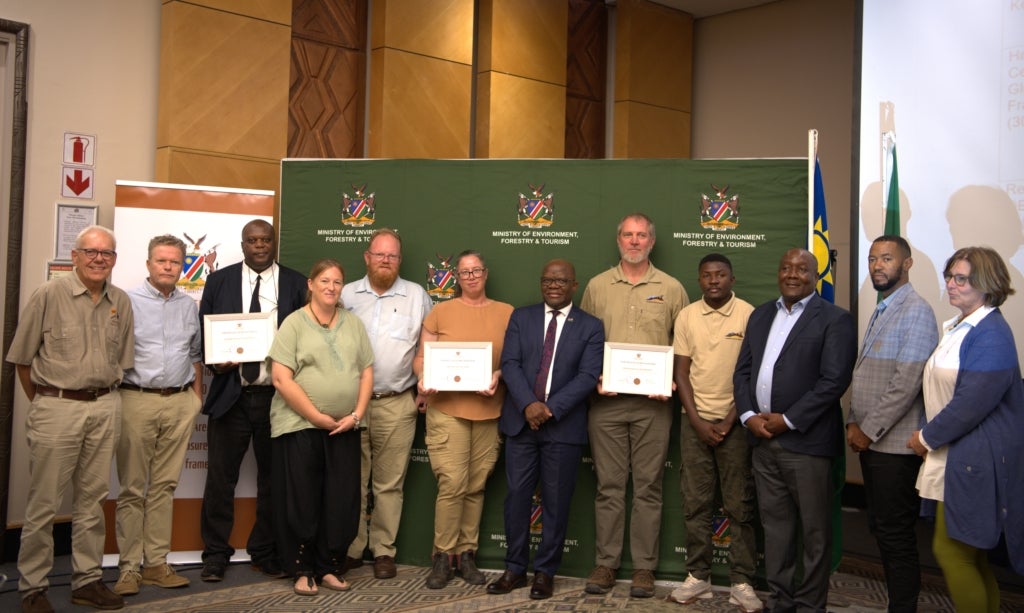
These insights are the focus of a new Lincoln Institute of Land Policy working paper, “OECMs in Policy and Practice: Lessons and Recommendations from Eastern and Southern Africa.” Authored by eight conservation practitioners from across the region whose collective expertise spans environmental law, policy, science, education, and finance, the paper explores case studies from Angola, Kenya, Mozambique, Namibia, and South Africa to identify “the practical conditions required for OECMs to be credible, equitable, and durable.”
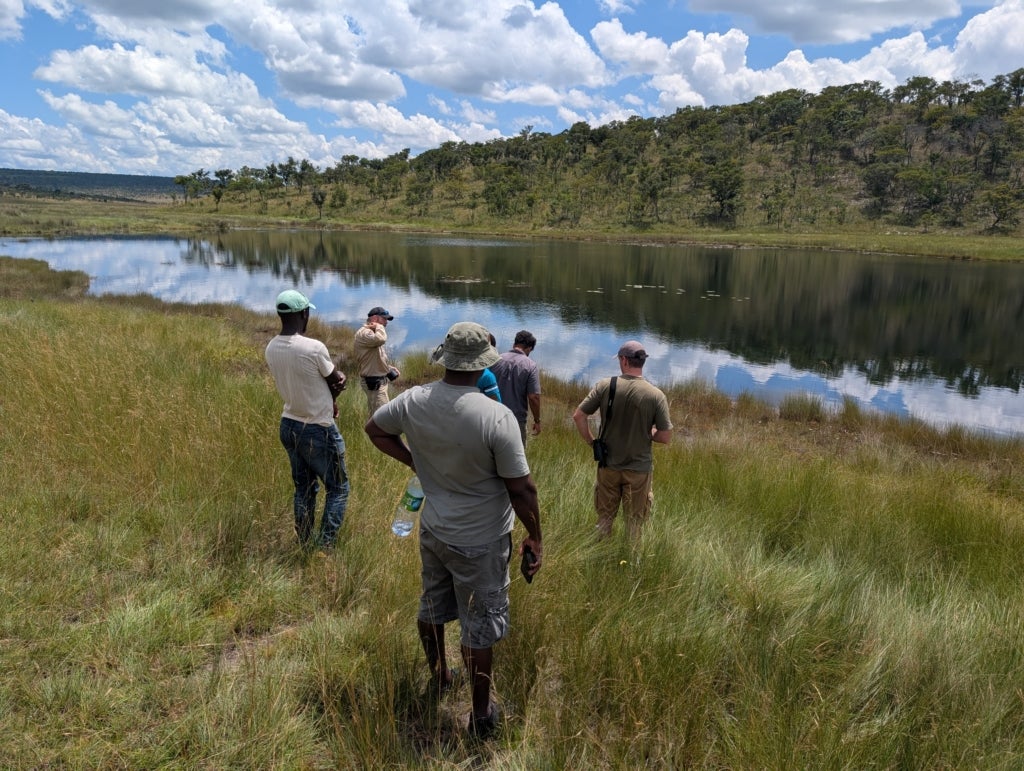
“Since countries agreed to Global Biodiversity Framework Target 3, OECMs have moved from a talking point to serious national commitment,” said Daniel Marnewick, the Regional Area-Based Conservation Coordinator for IUCN’s Eastern and Southern Africa Regional Office. “We are now seeing real momentum: countries producing national pathways for OECM recognition, opening the policy and practice space needed to identify, strengthen, and report these sites. This is an exciting moment for area-based conservation, and this working paper captures regional lessons emerging from that progress. We hope these will inform the global stocktake at CBD COP17 and the IUCN World Protected and Conserved Areas Congress in Panama, 2027—and, more importantly, help showcase the foundational principles needed to ensure inclusive, equitable, and transparent national processes and site-level assessments that recognize and enable diverse stewardship.”
Drawing on the case studies, the paper makes evidence-based recommendations for how national governments, civil society organizations, and community partners can align national OECM frameworks with existing law and policy, assess individual sites for OECM recognition, and secure sustainable financing to support OECMs into the future. The authors conclude that when countries invest in transparent, inclusive, and rights-based national dialogues, OECMs can become “not simply a technical mechanism for expanding conservation statistics, but a fundamentally different way of thinking about conservation itself.”
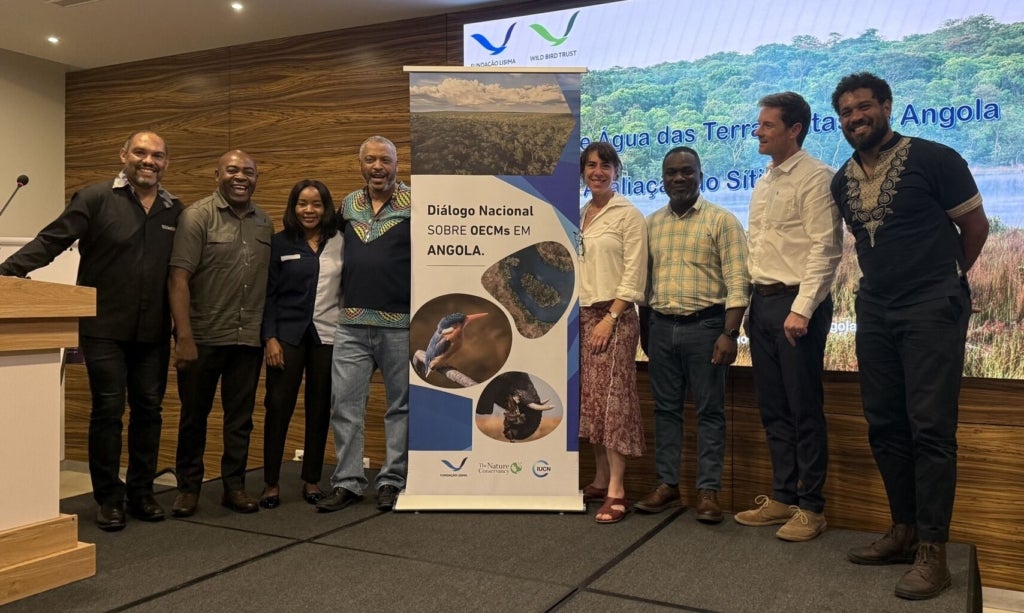
“OECMs represent an exciting paradigm shift in conservation, centering the vital role that individuals, communities, and civil society have long played in protecting biodiversity and stewarding living landscapes,” said Ruchi Patel, Senior Policy Analyst at the Lincoln Institute of Land Policy, who contributed to the development and review of this working paper. “Although challenges remain in effectively integrating OECMs into policy and practice, this working paper makes a significant contribution by highlighting recent advances in implementation and providing practical guidance to help ensure that OECM recognition delivers real benefits for both people and nature—in the race to 2030 and beyond.”
Read the working paper here. ILCN is planning a webinar about OECMs in Africa featuring authors of this working paper. Further details will be shared shortly.